

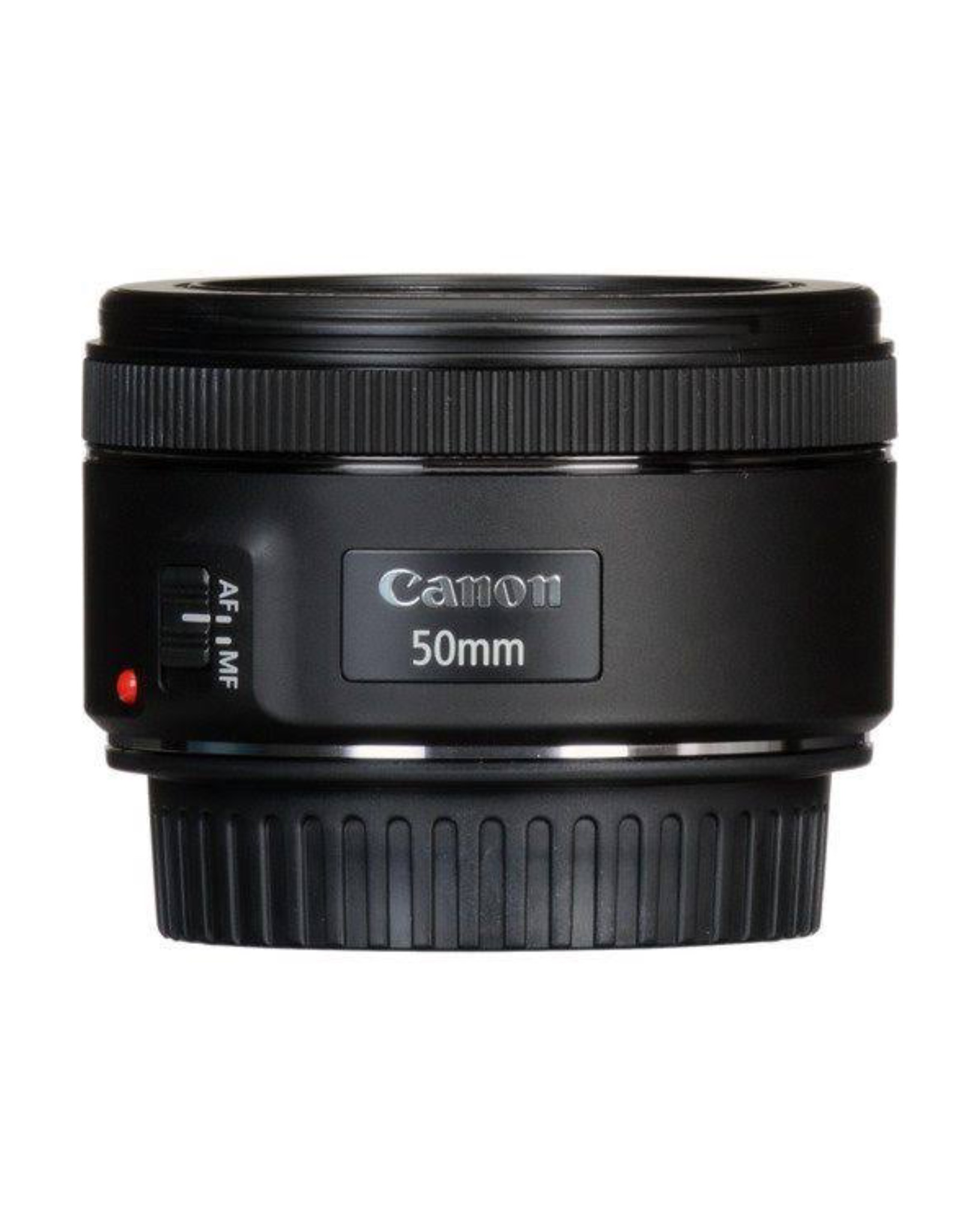
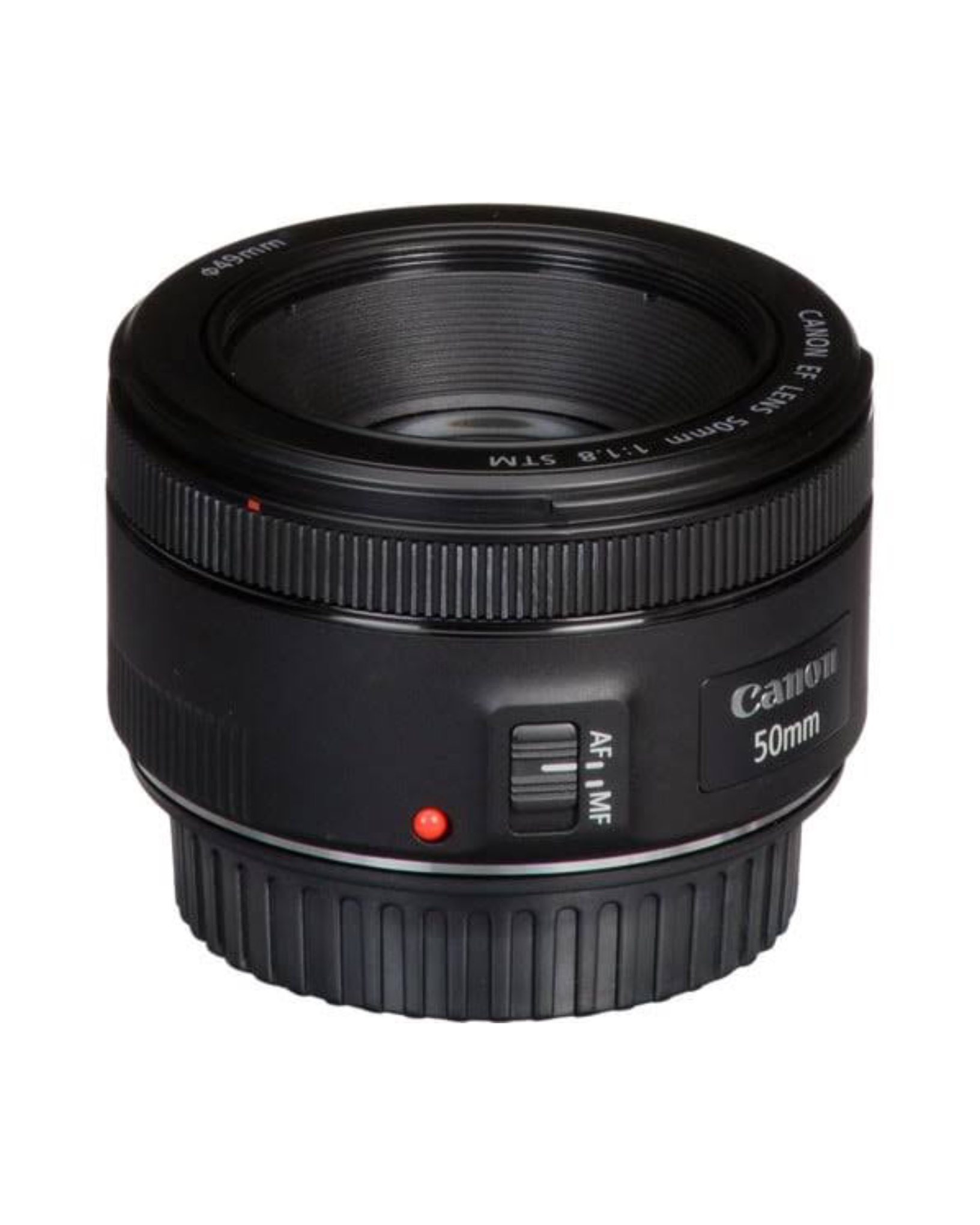


Canon 50mm Lens
- Delivered today (order Mon-Fri before 12:00, delivery between 17:00 and 22:00)
- Pick up at our store.Collection point is possible.
- 7days to change your mind.
- 24/7 customer service
Description
The Canon 50mm lenses (often called the “Nifty Fifty”) are among the most popular and versatile prime lenses in Canon’s lineup. The 50mm focal length closely matches the natural perspective of the human eye on full-frame cameras, making it ideal for everyday shooting, portraits, street photography, low-light work, and travel. On APS-C bodies (like your previously mentioned EOS 1500D or 7D), it acts as a short telephoto (~80mm equivalent), great for flattering portraits with background blur.
Canon offers several versions across EF (DSLR/mirrorless with adapter) and RF (native mirrorless) mounts. Here’s a breakdown of the main models:
1. Canon EF 50mm f/1.8 STM (Most Popular & Affordable “Nifty Fifty”)
Released in 2015, this is the go-to budget prime for beginners and enthusiasts. It’s a lightweight, compact upgrade over the older EF 50mm f/1.8 II, with better build, quieter focusing, and improved optics.
Key Specifications:
• Focal Length & Aperture: 50mm, f/1.8 – f/22
• Lens Construction: 6 elements in 5 groups
• Diaphragm Blades: 7 (rounded) – produces pleasing bokeh (background blur)
• Minimum Focus Distance: 0.35 m (1.15 ft), max magnification 0.21x
• AF System: STM (stepping motor) – smooth and near-silent for video and stills; full-time manual focus
• Filter Size: 49mm
• Dimensions: Approx. 69.2 × 39.3 mm (2.7 × 1.55 in)
• Weight: Approx. 160 g (5.6 oz) – extremely portable
• Other Features: Metal mount, Super Spectra Coating (reduces flare/ghosting), no image stabilization
Performance Highlights:
• Excellent low-light capability and shallow depth of field for subject isolation.
• Sharp in the center from f/1.8; improves across the frame when stopped down to f/2.8–f/5.6.
• Good color rendition and contrast; some softness and vignetting wide open (common and often desirable for portraits).
• Quiet AF works well on DSLRs (like 1500D, 7D, 6D) and mirrorless via adapter.
Strengths: Inexpensive (often under $150), lightweight, versatile, big upgrade in image “pop” over kit zooms. Great for portraits, street, and night shots.
Limitations: Plastic barrel (though improved), softer edges at f/1.8, no weather sealing, basic bokeh compared to premium lenses.
Best For: Beginners stepping up from kit lenses on your EOS 1500D/7D/6D, or as a compact everyday carry.
2. Canon RF 50mm f/1.8 STM (Mirrorless Version)
Released in 2020 for EOS R-series cameras. Nearly identical in concept to the EF version but optimized for RF mount with native performance (no adapter needed).
Key Specifications (Differences from EF):
• Same 50mm f/1.8, 6/5 elements/groups, 7 rounded blades
• Minimum Focus Distance: Shorter at 0.30 m (11.8 in), higher magnification 0.25x
• Filter Size: 43mm (smaller)
• Dimensions: Approx. 69.2 × 40.5 mm
• Weight: Approx. 160 g
• Additional: Customizable control ring (for exposure settings), one aspherical element for better edge sharpness and reduced aberrations
Performance: Slightly better corner sharpness and contrast than the EF version, especially wide open; similar overall rendering with minor color differences (RF often warmer). Faster/more reliable AF on mirrorless bodies. Still compact and affordable.
When to Choose: If you have (or plan to get) an EOS R-series camera. Pairs beautifully without an adapter.
3. Canon EF 50mm f/1.4 USM (Mid-Range Option)
An older (1993) but still capable lens with a brighter aperture for even better low light and shallower depth of field.
Key Specifications:
• 50mm, f/1.4 – f/22
• 7 elements in 6 groups
• 8 diaphragm blades
• Minimum focus: 0.45 m, max magnification 0.15x
• AF: Micro USM (fast, with full-time manual override)
• Filter: 58mm
• Dimensions: Approx. 73.8 × 50.5 mm
• Weight: 290 g
Performance: Faster aperture than f/1.8 models, but softer at f/1.4 with more aberrations; sharpens nicely from f/2.8 onward. Good build with metal mount.
Strengths: Brighter for low light; useful for available-light portraits.
Limitations: Older design (dated sharpness/CA compared to modern lenses), more expensive than f/1.8 STM, no STM smoothness.
4. Canon EF 50mm f/1.2L USM (Premium/Pro Option)
High-end L-series lens for maximum aperture performance and build quality.
Key Specifications:
• 50mm, f/1.2 – f/16
• 8 elements in 6 groups
• 8 rounded blades
• Minimum focus: 0.45 m
• AF: Ring USM (very fast, full-time manual)
• Filter: 72mm
• Dimensions: Approx. 85.8 × 65.5 mm
• Weight: 580 g (heavier)
Performance: Creamy bokeh, excellent subject separation, but softer at f/1.2 (improves stopped down). Weather-resistant build.
Note: A native RF 50mm f/1.2L USM also exists with superior sharpness and modern optics, but it’s significantly more expensive.
Which One Fits Your Setup?
• With your EOS 1500D (Rebel T7), 7D, or 6D (all EF-mount DSLRs): The EF 50mm f/1.8 STM is the best starting point — affordable, lightweight, and transformative for image quality. It works natively and pairs well for learning manual/aperture-priority shooting.
• If moving to mirrorless (EOS R series): Go for the RF 50mm f/1.8 STM for native compatibility and slight optical/handling improvements.
• The f/1.4 or f/1.2L versions are upgrades if you need brighter aperture or pro-level durability, but they cost more.
All these lenses deliver the classic “nifty fifty” benefits: compact size, fast aperture for creative blur, and sharp results in good light. They excel at portraits (headshots with nice bokeh), environmental portraits, low-light indoor shots, and general photography.
Accessories Often Recommended:
• Lens hood (ES-68 for EF f/1.8 or equivalent) to reduce flare.
• UV/protective filter.
• For DSLRs: Basic tripod or monopod for slower shutters.
If you’re pairing this with your previous cameras (1500D for beginners, 7D for action, 6D for full-frame low light), the f/1.8 STM on the 6D would give stunning full-frame bokeh and low-light results.
Related products
DJI Mini 3 Drone – Brand New
Original price was: ₦1,490,000.00.₦1,460,000.00Current price is: ₦1,460,000.00.
DJI Avata 2 Fly More Combo – Brand New
Original price was: ₦2,400,000.00.₦2,350,000.00Current price is: ₦2,350,000.00.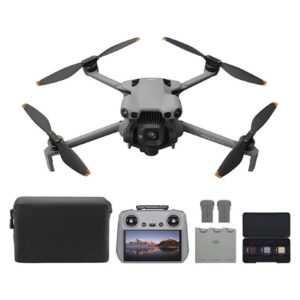
DJI Mini 5 Pro Drone Brand New
Original price was: ₦2,300,000.00.₦2,250,000.00Current price is: ₦2,250,000.00.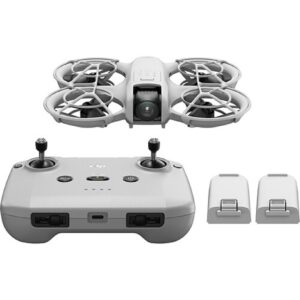
DJI Neo Drone Fly More Combo
Original price was: ₦760,000.00.₦730,000.00Current price is: ₦730,000.00.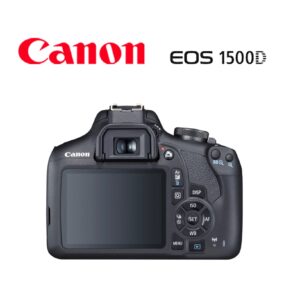

Reviews
There are no reviews yet.